
_edited_edited_edited.png)



Herbie's Homemaker's School Of Culinary Arts

Updated: Jul 24
MASTERING FLAVOR WITH HERBS AND SPICES (101)

CLICK TO GET YOUR INTERACTIVE CHART
How To Think Like... And Cook Like...A Professional Chef
Develop Professional Cooking Skills In 5 Easy Lessons

Introduction
Ever wonder how professional chefs seem to effortlessly know which herbs and spices will elevate a dish? In the culinary world, mastering the art of seasoning is essential to creating memorable flavors. Professional chefs approach herbs and spices with a combination of scientific understanding, cultural knowledge, and creative intuition. This comprehensive guide presents a series of five lessons that delve into how chefs choose and blend herbs and spices when developing new or traditional recipes. Each lesson builds on the previous, weaving together flavor fundamentals, global traditions, pairing strategies, culinary techniques, and the creative process of recipe development. Each lesson also includes practical exercises so you can apply these principles at home. Let’s begin our flavor journey!
Lesson 1: Flavor Foundations – Understanding Herbs & Spices
👉 What’s the difference between herbs and spices?
In culinary terms, herbs are the leafy, green parts of plants used for flavor, like basil, dill, or parsley. They can be used fresh or dried, adding bright, aromatic notes to dishes. Spices come from other plant parts such as seeds, bark, roots, or fruits – for example, cumin seeds, cinnamon bark, ginger root, or clove buds. Unlike many herbs, spices are usually dried (though some can be used fresh, like ginger or turmeric) and tend to have more concentrated flavors. Fun fact: Cilantro and coriander actually come from the same plant – coriander seeds (a spice) are the dried fruit of the plant, while cilantro (an herb) refers to its fresh leaves. This highlights how one botanical can provide both an herb and a spice, each with distinct uses.
🌿Flavor categories of herbs: Chefs and culinary schools often classify herbs by their flavor profile, which helps in choosing the right herb for a recipe. One useful grouping is by the aroma and intensity of the herb:
Bright & Fresh herbs – light, grassy, clean, aromatic flavors. Examples: Basil, parsley, cilantro, mint, dill. These bring freshness and herby brightness to dishes.
Earthy & Woodsy herbs – robust, piney or earthy flavors. Examples: Thyme, rosemary, sage, oregano, bay leaf. These provide depth and a savory backbone.
Delicate & Floral herbs – soft, fragrant, slightly sweet flavors. Examples: Tarragon, chervil, marjoram. These lend subtle perfume and sweet-herb notes.
🍂Flavor categories of spices: Similarly, spices can be grouped by their primary flavor qualities:
Warm & Sweet spices – evoke cozy, sweet, sometimes floral notes. Examples: Cinnamon, nutmeg, cardamom, allspice. These are common in baking and sweet dishes, but also in savory stews or curries for warmth.
Earthy & Savory spices – impart a deep, grounding flavor. Examples: Cumin, coriander seeds, turmeric, smoked paprika. These often anchor savory dishes like curries, chili, or roasted meats with rich, earthy tones.
Spicy & Pungent spices – contribute heat or sharp bite. Examples: Black pepper, chili peppers/flakes, mustard seeds, Sichuan peppercorn. They add heat and pungency to wake up dishes, used carefully to not overpower.
Rich & Tangy spices – provide tangy, sour, or deeply savory notes. Examples: Sumac (citrusy-tart), dried mushrooms (umami), fenugreek (sweet-bitter). These bring brightness or an acidic/savory punch that can balance richness in foods.
By understanding these categories, chefs develop a mental map of flavors. They know that if a dish needs warmth or comfort, they might reach for a “warm & sweet” spice like cinnamon or cardamom, whereas a soup that tastes flat might benefit from some “bright & fresh” herbs like parsley or cilantro to add life. Seasoning choices are not random; they’re guided by an understanding of what each herb or spice contributes to taste and aroma.
👨🍳CHEF TIPS AND INFORMATION Herbs vs. Spices – Key Differences
Herbs: Leaves of plants (fresh or dried) that add aroma & bright flavors (e.g. basil, mint). Spices: Other plant parts (seeds, bark, roots, pods) usually dried, adding concentrated flavor (e.g. cumin seeds, cinnamon bark).
Flavor Intensity Tip
Dried herbs are ~3 times as strong as fresh. A common conversion is 1 tablespoon fresh = 1 teaspoon dried. The concentration of oils increases when herbs are dried. Adjust quantities to avoid over-seasoning when substituting.
Practice – Flavor ID Exercise: 🍶 Get to know your spice rack. Choose a variety of 6–8 herbs and spices from your kitchen. (for example, basil, thyme, cinnamon, cumin, black pepper, and paprika). Arrange them in unlabeled cups or bowls. Smell each one carefully and try to categorize them into the flavor groups above: which ones smell bright-herbaceous, which are warm-sweet, which are pungent, etc? Then taste a tiny pinch of each (or brew a quick infusion in hot water for a milder taste) to identify key flavor notes (e.g. cinnamon’s warmth, mint’s cool freshness). Jot down sensory notes for each. This exercise helps build your flavor memory for each herb and spice – an important foundation for the lessons to come.
Lesson 2:
Global Flavor Traditions – Herbs & Spices by Cuisine
👨🍳 Professional chefs - often draw on the world’s culinary traditions when creating or tweaking recipes. In fact, many start by choosing a/an ethnic or regional cuisine as inspiration, then use the characteristic herbs and spices of that region as a starting point for flavor development. Each cuisine has unique flavor profiles formed by local herbs, spices, and cooking techniques, sometimes called “flavor principles” or signature flavor combinations.
For example, Mediterranean cuisines are famous for their herb-forward profiles: an Italian chef might first think of garlic, basil, oregano and olive oil when conceptualizing a new pasta sauce, since these ingredients define the spirit of Italian cooking. In Mexican cuisine, common spice/herb bases include cumin, dried chilies, cilantro, and maybe Mexican oregano – these give an immediate “Mexican” identity to tacos or chili. Likewise, turmeric, cumin, coriander, and cardamom are fundamental to many Indian curries, producing that warm, spiced fragrance people associate with Indian food. Meanwhile, classic Chinese five-spice blend (star anise, cloves, fennel, cinnamon, Sichuan pepper) instantly evokes Chinese culinary traditions. Seasoning expert John Reiss explains that the combination of herbs, spices, and local ingredients is what defines an ethnic cuisine’s flavor profile. Knowing these profiles helps chefs recreate or riff on traditional dishes authentically.
Why geography matters: The spices grown in a region often became the backbone of its cuisine. Geography and climate determine what herbs and spices thrive in a region; in turn, those botanicals shape the local dishes. For example, thyme, rosemary, and bay leaf thrive in the Mediterranean climate and thus feature heavily in French and Italian cooking (think herbes de Provence, bouquet garni in French stews). In tropical India, aromatic spices like cardamom, black pepper, cinnamon, and cumin were historically abundant and became integral to Indian masalas and curries. Over centuries, trade and exploration spread these seasonings across the globe; the spice trade influenced world cuisines profoundly (for instance, chili peppers, native to the Americas, were introduced to Asia in the 16th century and are now fundamental to Indian, Chinese, and Thai food). Chefs are keenly aware of these traditional pairings and histories when designing recipes, because they provide a reliable starting point for flavor harmony.
Examples of World Flavor Profiles: Here are a few classic herb–spice combinations identified with particular cuisines or regional dishes:
French “Herbes de Provence”: A blend of Mediterranean herbs like thyme, rosemary, oregano, and lavender. Flavor logic: combines complementary woodsy and floral notes to season meats, stews, breads, and vegetable dishes. Chefs use it to evoke the Provençal countryside.
Indian Garam Masala: A warm, complex mix of spices such as cinnamon, cloves, cardamom, cumin, coriander, nutmeg, and bay. Flavor logic: balances warming sweet spices (cinnamon, cardamom) with pungent notes (black pepper, cloves) for a multi-layered warmth that unfolds with each bite. Chefs might toast whole spices then grind them to create a fresh garam masala, adding it near the end of cooking to preserve its fragrance.
Chinese Five-Spice Powder: A blend typically containing star anise, cloves, Chinese cinnamon (cassia), Sichuan peppercorn, and fennel seed. Flavor logic: unites sweet, bitter, spicy, sour, and pungent elements in one blend (for example, star anise lends sweetness, Sichuan pepper adds a unique citrusy heat). This classic blend creates the signature flavor of many Chinese dishes by balancing contrasting tastes in harmony.
Middle Eastern Za’atar: A traditional herb blend of thyme, oregano, sumac (tangy spice), and sesame seeds. Flavor logic: the earthy herbs (thyme/oregano) are brightened by sumac’s citrusy tang, with sesame adding nutty depth. Chefs sprinkle za’atar on breads, meats, or salads as a finishing touch to add Middle Eastern character.
Latin American Adobo/Recado Spice: In many Latin cuisines, a base of ground cumin, oregano, garlic, and chili pepper forms adobo seasoning, often combined with vinegar or citrus in a marinade. Flavor logic: earthy cumin and garlic give depth, oregano adds herbal notes, and chili supplies heat and color – a combination that makes grilled meats and beans unmistakably Latin-flavored.
Historical perspective: Many classic herb and spice pairings are time-tested because of geography and necessity. Traditional dishes evolved to utilize local resources – e.g., Moroccan tagines use cumin, coriander, cinnamon, ginger, and chili partly because these spices were traded via Sahara caravan routes centuries ago and became staples of North African kitchens. By learning these global flavor families, chefs (and you!) gain a palette of ideas: “I want a dish with a Thai profile – let me reach for lemongrass, Thai basil, and galangal,” or “For a Tuscan feel, I’ll start with garlic, rosemary, and olive oil.” Chefs often let these regional flavor templates guide their initial herb/spice choices when developing a recipe.
Practice – Global Palate Experiment:
Travel the world from your kitchen. Choose a simple base ingredient or dish (for example, chicken breast, roasted potatoes, or lentils). Prepare it multiple times, each with a different regional herb & spice profile: e.g. (A) Italian-style (garlic, oregano, basil, maybe thyme and a splash of olive oil), (B) Indian-style (cumin, coriander, turmeric, ginger, garlic – you can use a store-bought curry powder or garam masala), and (C) Middle Eastern-style (cumin, cinnamon, coriander, and a squeeze of lemon with fresh mint or parsley at the end). Keep everything else (cooking method, salt, etc.) the same. Taste and compare: How do these herbs and spices transform the aroma and flavor of the base dish? Which flavors are boldest in each? By doing this, you’ll experience firsthand how seasoning choices give each dish a unique regional “accent.”
Lesson 3:
Pairing Herbs & Spices with Foods – Flavor Matching and Balance
Chefs don’t just throw in every spice they can find; they carefully match herbs and spices to the main ingredients and overall flavor balance of a dish. Here’s how food professionals break down flavors and characteristics of herbs and spices to create a harmonious result:
1. Match Flavor Strength to Main Ingredient: One golden rule is “pair like intensity with like.” Robust, strongly flavored meats (like lamb, beef, or game) can stand up to powerful herbs and spices, whereas delicate foods (like fish, eggs, or mild vegetables) need gentler seasoning. For example, rosemary (a pungent, resinous herb) or cumin (an earthy, intense spice) can enhance a hearty beef stew without being overwhelmed. But those same seasonings would overpower a mild white fish filet. For delicate items, chefs use milder bright herbs or subtle spices (like dill on fish or chives on eggs) that add flavor without masking the ingredient.
2. Use Complementary Pairings and Avoid Clashes: Chefs analyze the flavor notes of herbs and spices and decide if they will complement or contrast the dish’s primary flavors. Some combinations are congruent, sharing flavor compounds that amplify each other (for instance, basil and oregano share many of the same aromatic compounds, so they blend seamlessly in a tomato sauce). Other pairings are complementary, bringing opposite qualities together to create balance (for example, pairing something sweet like cinnamon with something tart like lemon zest for contrast). Classic cuisines have long paired herbs and spices with particular foods based on such logic. E.g.:
Examples Of Complementary Pairings:
Basil with tomatoes (complementary: basil’s sweet, aromatic notes tame tomato’s acidity and bring out its sweetness).
Rosemary or thyme with lamb and beef (congruent: the meats’ strong, rich flavor matches these herbs’ robust, piney notes).
Dill or tarragon with fish (complementary: these delicate herbs add freshness, and a bit of lemon or acid helps cut through the fish’s richness).
Cinnamon & cloves In braised meat or stews (complementary: warm sweet spices balance savory richness; e.g., Moroccan tagine blends meat with cinnamon sweetness).
Mint or cilantro In spicy curries/salsas (complementary: cooling, fresh herbs help lighten and contrast hot, spicy flavors).
Thyme & garlic With mushrooms or potatoes (congruent: earthy herbs echo and boost the earthy, savory umami of these vegetables).
Chef’s rule of thumb: Herbs and spices should enhance the dish’s main elements, not dominate them. As one professional puts it, “Herbs should enhance food, not overshadow it”. If you find a spice is all you can taste in the final dish, you might have used too much. The ideal is a balance where the chief ingredients still shine, elevated by the seasoning.
3. Think in Terms of a Flavor “Palette”: Chefs often mentally break down herbs and spices by the taste elements they contribute – such as sweetness, bitterness, acidity, spiciness, or umami (savory depth). This helps them fill in any “gaps” in a dish’s flavor. For instance, if a vegetable stew tastes bland or just sweet, the chef might add a pungent or bitter herb (like a dash of black pepper or bay leaf) to add depth and slight bitterness, or a squeeze of lemon and some fresh herb to brighten it up. Professional spice blending involves balancing these five basic taste elements (sweet, sour, salty, bitter, umami) for a layered flavor profile.
4. Use a Base + Herb + Spice Framework: A practical approach taught in culinary training is to build flavors using a simple base + herb + spice formula for many dishes. The basic idea: nearly every savory recipe benefits from having:
A.) an aromatic base (like garlic and/or onion, sautéed in fat),
B.) a chosen herb,
C.) a complementary spice,
and some cooking fat (oil, butter) to carry flavor.
For example, a “default” seasoning combination for roast chicken is: olive oil as the fat, garlic as the aromatic base, plus thyme (herb) and paprika (spice) as seasonings. For beef, a classic combo is rosemary (herb) and black pepper (spice), often with garlic and oil; for fish, dill (herb) and paprika (spice) with a squeeze of lemon would be a gentle pairing.
Practice – Seasoning Match Game: Find the right match for the right ingredient. Choose a variety of simple foods – e.g., a slice of mild cheese, a piece of cooked chicken breast, a piece of steamed fish, a boiled potato, and even a spoonful of plain yogurt (to represent a base for sauces or dressings). Now season each with a small pinch of a single herb or spice (or stir it into the yogurt). For example: try rosemary on the chicken, dill on the fish, basil on the tomato or cheese, cinnamon in the yogurt, etc. Taste each combination. Which pairings work well? Which taste odd or unbalanced? This will attune your palate to which seasonings suit different types of foods. (Remember: stronger spices like rosemary or cumin pair better with robust foods, while delicate foods need gentler herbs and spices.)
Lesson 4: Techniques & Timing – Best Practices for Using Herbs & Spices
👃 Seasoning isn’t just what you use – it’s how and when you use it. Professional chefs pay close attention to culinary techniques that maximize flavor extraction and ensure the right balance. Here’s how they do it:
Know when to add different herbs: Herbs vary greatly in how they handle heat. Chefs classify them as hardy vs. delicate based on their structure. Hardy herbs (woody-stemmed varieties like rosemary, thyme, sage, or bay leaf) are added early in cooking – for example, at the beginning of a stew or braise – so they have time to soften and release their flavors. These robust herbs can endure heat and infuse the dish deeply with their aroma. Chefs sometimes use a bouquet garni (a bundle of herbs tied together or in a sachet) to simmer in a soup or stock, retrieving it before serving so the herbs infuse flavor without leaving woody stems behind. In contrast, delicate herbs (soft, leafy herbs like basil, parsley, cilantro, dill, and mint) are generally added at the end of cooking or as a fresh garnish. Because these softer herbs have highly volatile oils that fade with heat, adding them in the last minute (or off-heat after cooking) preserves their bright flavor and color. (Think of how adding fresh basil on top of a pasta right before serving delivers a burst of aroma.) Some medium-hardiness herbs (like oregano, marjoram, or flat-leaf parsley) can be added in the midpoint of cooking – they benefit from some heat but not too much, striking a balance.
Bloom and toast your spices: Spices contain flavorful oils and compounds that can be unlocked with heat. Chefs often toast whole spices (such as cumin seeds, coriander seeds, or peppercorns) in a dry pan for a minute or two until fragrant, to intensify their flavors – heat triggers the Maillard reactions that create new aromatic compounds. Similarly, adding ground spices to hot oil or butter – a technique known as blooming (or “tadka” in Indian cooking) – is a foundational chef’s trick. Blooming means gently cooking spices in fat for ~30–60 seconds; the hot oil extracts and spreads the spice’s fat-soluble flavor compounds, “pumping up” the aroma and taste. For example, if you’re making a curry or chili, a chef will sauté onions and garlic first, then add the ground spices to the hot oil and stir for a brief minute before adding liquids – this short step makes a big difference in depth of flavor. Caution: keep an eye on the pan – it’s easy to go from toasted to burned spices if they cook too long. Chefs always have the next ingredients (like chopped tomatoes or broth) ready to pour in after blooming, to prevent burning.
Use fat and liquid smartly: Remember that fats carry flavor. Oil, butter, or other fats dissolve and distribute the aromatic compounds in herbs and spices, which is why many recipes start by cooking herbs/spices in some fat (like sautéing ginger and garlic in oil for a stir-fry, or adding butter when basting herbs on meat). If you’re cooking something with little or no fat (e.g. boiling vegetables or making broth), know that you might not extract as much flavor from spices unless you add a bit of fat or oil to the mix. On the flip side, water dilutes flavor, so ingredients that release a lot of water (like zucchini, mushrooms, or beans) often need extra seasoning or a concentrated spice blend to compensate. Chefs adjust their seasoning volumes based on the dish’s fat and water content.
Season in stages & taste as you go: Great chefs treat seasoning as a layer-by-layer process. For example, in a stew they might season the meat before searing, season again when sautéing the onions, and then adjust the seasoning in the final sauce. This builds complexity because each layer of the dish is flavorful on its own. Crucially, chefs taste the dish at each stage and adjust as needed – your taste buds are your best tool. By tasting along the way, you can tell if the dish needs a bit more of something: Does it taste flat? Try a pinch more salt or a squeeze of lemon. Too bitter? Add a little sugar or fat to round it out. This constant tasting and fine-tuning is how professionals achieve perfectly seasoned dishes.
Practical timing summary: Many pros follow this general timeline in cooking: bloom or toast robust spices at the start, add any dried herbs or spice blends early (so they fully infuse), add any additional ground spices mid-cooking, and finish with fresh herbs or delicate spices near the end so their bright flavors aren’t lost. For example, in a stir-fry a chef might heat oil, toss in some cumin seeds or garlic (starting aromatics), later stir in ground spices to form a sauce, and finally sprinkle chopped cilantro on top.
Other application tips: Chefs also harness herbs and spices outside of the stovetop. Marinating or dry-rubbing raw meats with spices and herbs in advance allows flavors to penetrate. A marinade combining aromatics like garlic, ginger or herbs, plus a bit of acid (vinegar, citrus) and salt can break down proteins and infuse flavor – marinating for even 30 minutes to several hours can significantly boost flavor depth. For example, an Indian tandoori chicken might be marinated overnight with yogurt, garlic, cumin, coriander, and garam masala, so that the flavors really permeate the meat. On the other hand, finishing a dish with raw herbs or ground spice (like a final dusting of freshly ground pepper, or scattering torn basil on a soup) can provide an immediate aromatic hit to the finished dish. Chefs choose application methods (marinade, rub, sauté, simmer, or finishing sprinkle) depending on how they want the flavor to come through – deeply infused, or fresh and vivid on top.
Practice – Technique: Boost your technique by cooking in steps.
Blooming Drill: Choose a spice (say, cumin or curry powder) and make two small batches of a simple lentil soup or tomato sauce. In one, bloom the spice: heat 1–2 tablespoons of oil in a pan and stir the spice for ~1 minute until fragrant, then add your other ingredients (like onions, tomatoes, etc.). In the other batch, just stir in the same amount of spice at the end without pre-cooking it. Compare the aroma and taste of the two versions. You’ll notice the “bloomed” one has a richer, deeper flavor. This shows how timing can change a spice’s impact.
Herb Timing Drill: Make a simple broth or tomato sauce, dividing it into two pots. In one pot, add a hardy herb (like a sprig of thyme or bay leaf) at the beginning; in the other, add the same herb at the very end (or not at all). Simmer both for 15–20 minutes. Taste and compare: the early-added herb will impart an integrated, mellow flavor, whereas adding it at the end yields little flavor extraction – or, if it’s a soft herb like basil, adding it at the start might result in a dull taste and color compared to adding it fresh at the end. This experiment helps you learn when to add herbs for desired outcomes.
Lesson 5: Bringing It All Together – Developing Your Own Recipes
🧤 Now that we’ve covered flavor profiles, pairing strategies, and techniques, it’s time for the creative part: using this knowledge to develop or adapt your own recipes. 👨🍳 Professional chefs approach recipe development as a blend of art and science. They rely on experience and intuition and a systematic process of tasting and adjusting to achieve flavorful results. Here’s how to think like a chef when inventing a dish or spice blend, step by step:
Step 1: Start with a Concept or Flavor Goal. Chefs often begin with a guiding idea. Sometimes it’s inspiration from a region or cuisine, which comes with built-in herbs/spice palettes (as we discussed in Lesson 2). Other times the starting point is a main ingredient or seasonal produce they want to highlight, or even an abstract idea (like “a warm, cozy winter stew” or “a bright, summery herb sauce”). Decide on a direction for your dish or blend. For example, you might choose: “I want to cook a Mediterranean-inspired chicken dish” or “create my own BBQ-style spice rub.”
Step 2: Select your core flavors (primary seasonings). Based on your concept, pick a dominant herb or spice (or a well-known blend) that will form the backbone of the flavor. In culinary school, students are taught to first pick a main flavor around which others will revolve. If you’re aiming for an Italian profile, maybe basil is your core herb. If you’re designing a barbecue rub, smoked paprika or cumin might be your central spice.
Step 3: Add complementary herbs or spices. Next, choose a few supporting seasonings that enhance or balance the main one without overwhelming it. For instance, if cumin is your primary spice for a chili, you might add oregano for an herbal note and a bit of chipotle powder for smoky heat. Aim for a mix of congruent flavors (similar to the main spice) and maybe one contrasting note for complexity. Keep the number of components modest – often 2–4 spices/herbs is enough for a homemade blend or recipe seasoning.
Step 4: Plan the when and how. Decide the form (fresh vs dried) and timing to add each seasoning:
Use dried spices/herbs in marinades or early in cooking when you want deep infusion. For example, if using dried thyme and oregano on a roast, rub them on the meat with oil 30+ minutes before cooking to let flavors penetrate, and perhaps baste with garlic oil during roasting. Add ground spices to hot oil early or mid-cooking (as learned in Lesson 4) to bloom flavors. Whole spices can be toasted or fried in oil at the start of cooking to release aroma.
Reserve any fresh herbs or delicate spices for the end so their brightness isn’t lost. For example, if you’re creating a Thai-style soup, you might simmer galangal and cumin early, but add fresh Thai basil leaves right before serving.
Adjust quantities to fit your dish size: Many recipes use roughly ½ to 2 teaspoons of a given dried spice per 4 servings of a dish, but this varies. Start small when in doubt – you can add more later, but it’s hard to fix over-seasoning. (If you do overdo it, chefs recommend balancing with elements like dairy, sweetness, or acid to mellow excessive spice or saltiness).
Step 5: Cook, Taste, and Iterate. As you cook your dish, apply the techniques from Lesson 4: layer the seasonings and taste frequently. Professional chefs use a “flavor bank” of past experiences to anticipate how a dish will taste, but they still test and tweak constantly by tasting the dish at each stage of cooking. Adjust seasoning in increments – maybe another pinch of salt, or some lemon if it’s too heavy – until the flavors feel balanced. If the initial combination doesn’t seem right, don’t be afraid to revise: chefs often go back to the drawing board multiple times, adjusting ratios or swapping out a spice until the dish “sings.” Failure and experimentation are part of the process.
Refining Your Skills: Keep a notebook of what you tried – note the amounts of each spice/herb and the results. Chefs build a personal flavor library over the years, remembering what works well together and how much to use. Over time, your improved understanding of seasoning will let you create new recipes with more confidence and success.
Practice – Create Your Signature Blend (Culminating Project): It’s time for your own spice blend! As a final exercise, create a small batch (try about 2–3 tablespoons total) of a custom herb/spice mix to use in a dish. Follow these steps (adapted from professional blending techniques):
Define your flavor goal: Choose a theme (maybe “cozy holiday baking mix” or “Mediterranean grill rub”).
Choose your base: Pick one dominant spice or herb that fits your theme (e.g. cinnamon for a sweet baking blend, or oregano for a Mediterranean rub). Use about 40–50% of your total blend as this base.
Add complementary spices/herbs: Select 2–3 additional seasonings to support or contrast the base. For example, for a baking blend with cinnamon, you might add smaller amounts of nutmeg and ginger (which are congruent “warm & sweet” spices) and a bit of clove (strong, so use sparingly). For a Mediterranean rub with oregano, you might add thyme and rosemary (similar herbal notes) and a touch of chili or lemon zest for contrast. Allocate the remaining 50–60% of your blend to these.
Mix and adjust: Grind or mix the spices thoroughly. Now test your blend: sprinkle a pinch on a mild base food (like a bit of butter, yogurt, or simply smell it on a spoon) to gauge the flavor. Does one ingredient overpower? Tweak the ratios if needed (e.g. add more of the base if a supporting spice is too dominant). Jot down your final recipe.
Apply and taste: Use your blend on a dish – it could be as simple as roasting vegetables or seasoning a piece of grilled meat/tofu. Practice proper technique: if your blend contains any whole spices, consider toasting them first, and remember to add part of your blend early in cooking and maybe a little reserved for a final sprinkle. Taste the finished dish and note how your blend worked. Congratulations – you’ve just acted like a chef, crafting a dish’s flavor from the ground up!
Conclusion & Next Steps
👨🍳 By progressing through these lessons, you’ve learned how chefs systematically think about flavor when using herbs and spices – from understanding fundamental flavor categories, to drawing on global culinary traditions, to matching seasonings with ingredients and mastering cooking techniques for maximum flavor. Ultimately, seasoning like a pro requires both knowledge and practice. The art of choosing spices is about balancing science with creativity: applying principles of flavor chemistry (like volatile oils and taste contrasts) and cultural knowledge, while also trusting your senses and personal taste.
Key takeaways:
Build your flavor knowledge: Expand your “flavor bank” by tasting herbs and spices in different contexts. Learn classic combinations, but also explore new ones.
Be mindful of balance: Use seasoning to support and enhance your main ingredients, not bury them. Match the strength of spices to the dish and aim for harmony between flavors.
Use correct timing & technique: Treat spices and herbs thoughtfully – e.g. bloom spices in oil for deeper flavor, add hardy herbs early and delicate herbs at the end, and layer seasoning through the cooking process.
Practice and adjust: Chefs always taste and adjust seasoning as they cook. Start with small quantities (you can add more, but can’t easily remove too much spice!), and make use of salt, acid, sweetness, or fat to correct any flavor that’s out of balance.
By following these principles and doing the exercises, you’ll train your palate and intuition. With time, you’ll find yourself thinking like a chef, confidently blending herbs and spices to create delicious, well-balanced dishes in your own kitchen. Happy cooking, and enjoy your journey into the art and science of flavor!
IF YOU FOUND THIS HELPFUL AND FUN PLEASE LEAVE A COMMENT BELOW!
And As Soon As It Is Complete, We Will Send You A Link To Down Load A n Print A Kitchen Wall Chart That Works With These Lessons!

A Wealth Of Knowledge On Each Jar!
Scan The Code On The Back Of The Jars And You Will Be Whisked Off To The Product Page to acquire a chefs knowledge how to make the most out of that herb or seasoning. Everything You Need To Know About That Herb, Spice Or Seasoning. How To Use it, Professional Tips, And Quick Useful Recipes. Scan The Code In Herbies Hand Or Click Below To See For Yourself!
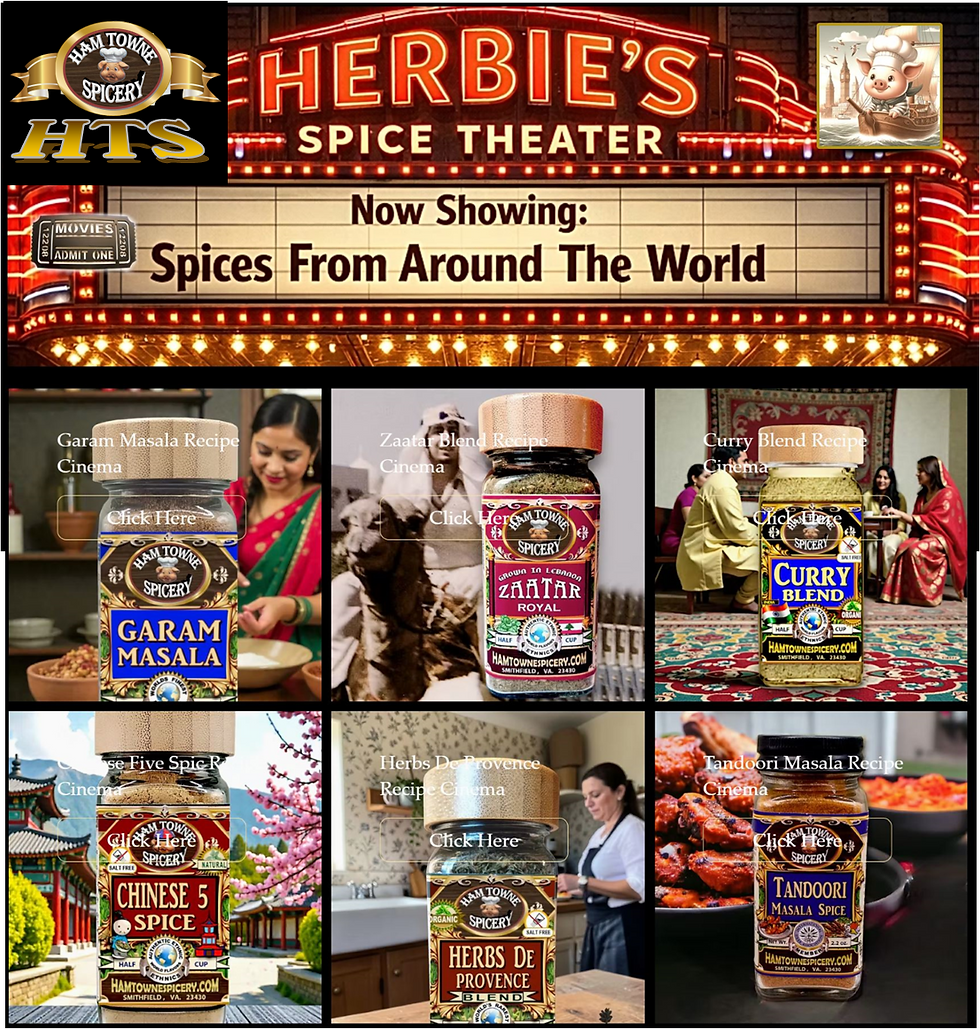
Want To Learn How To Use The World's Favorite Spice Blends?
Step into a passport‑free journey of flavor, where every “showing” transports you to a different corner of the world. We’ve gathered inspiring chef videos and incredible YouTube recipes to create a lineup of culinary cinemas—packed with ideas you can easily adapt using our blends and seasonings.

This is Really, Really Helpful! I love the short and to the heart of the art of using the right herbs and spices to use. On top of the wealth of information that you have on each spice and herb page that you sell. I have improve my knowledge tremendesly and preparing great meals for my family. Love this company!!