


20 min read


_edited_edited_edited.png)


Login Or Join Our Family & Manage Your Membership In Box Above

Search For Any Herb - Spice Or
Recipe In Box Above



Search For Any Herb Or Spice And
And Recipe In Box Below.
You CAN SEARCH BY SIMPLE KEY WORD ie. Greek, Italian, Pork, Beef.
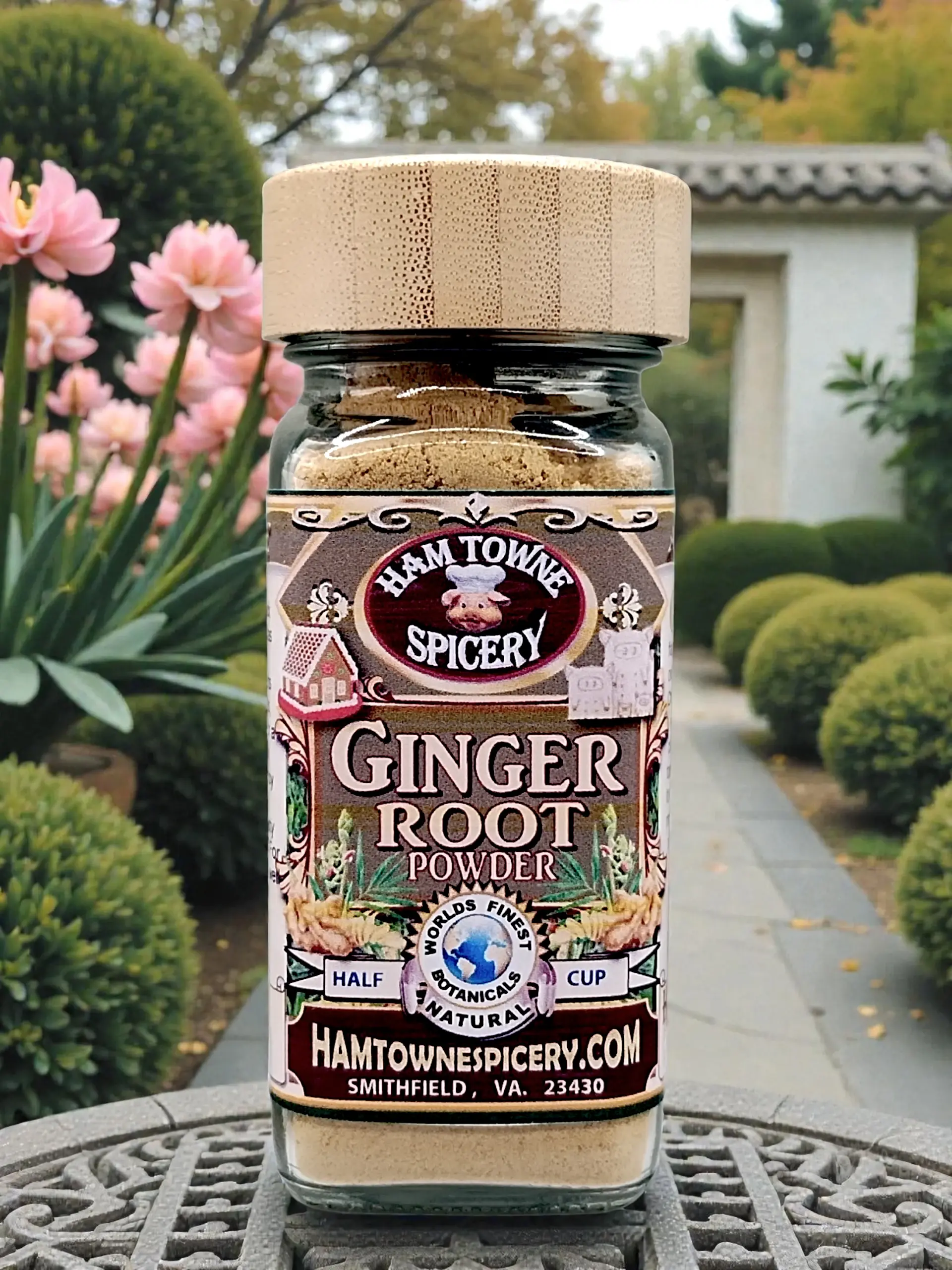

Think of ginger powder as a quiet workhorse in the pantry—subtle when used with restraint, transformative when you understand its reach. For a cooking novice, the first thing to know is that ginger powder is not just a substitute for fresh ginger; it behaves differently and shines in its own way. Because it’s dried and finely ground, its flavor disperses evenly and quickly, making it ideal for dry rubs, spice blends, and baked goods where fresh ginger’s moisture would be unwelcome. A small pinch can warm up a soup, stew, or curry without announcing itself too loudly, adding a gentle heat and aromatic depth that lingers on the palate.
In savory cooking, ginger powder excels as a background note that ties flavors together. I often recommend adding it early in the cooking process—bloomed briefly in oil with onions, garlic, or other spices—so its flavor mellows and integrates. It works beautifully in marinades for chicken, pork, or tofu, especially when paired with soy sauce, citrus, or honey. For novice cooks, this is an easy way to add complexity without juggling many ingredients: ginger powder brings warmth, slight sweetness, and a hint of peppery spice all at once, helping simple weeknight dishes taste more intentional and balanced.
Where ginger powder truly feels like home, though, is in sweet applications. In baking, it provides a consistent, comforting spice that fresh ginger simply can’t match. Think gingerbread, spice cakes, cookies, pancakes, or even a dusting into oatmeal or hot chocolate. Because it’s concentrated, a little goes a long way, and I always advise starting small—you can add more, but you can’t take it out. Once you become familiar with its flavor, you’ll find ginger powder is less about sharp heat and more about warmth and harmony, quietly teaching you how seasoning can elevate a dish from ordinary to memorable.
Here are some unusual but very effective ways to use ginger powder by adding it to already‑prepared or nearly finished foods, explained with a chef’s mindset so they’re easy for a novice to try.
1. Reviving bland or store‑bought foods
A tiny pinch of ginger powder can “wake up” foods that taste flat. Stir it into canned tomato soup, boxed ramen, instant mashed potatoes, or jarred pasta sauce. Ginger adds warmth and a subtle brightness that mimics the complexity of longer cooking without changing the dish’s identity. The key is restraint—start with just a pinch, taste, then adjust.2. Enhancing dairy and creamy foods (surprisingly well)
Ginger powder works beautifully in foods people don’t expect it in. Add a light dusting to vanilla yogurt, whipped cream, cream cheese spreads, or even mac and cheese. It cuts through richness and prevents creamy foods from tasting heavy. In sweet dairy, it adds warmth; in savory dairy, it gives a gentle bite that balances fat.3. Boosting sweet convenience foods
Prepared sweets are one of ginger powder’s secret strengths. Sprinkle it into pancake batter made from a mix, stir it into oatmeal packets, dust it over buttered toast with sugar, or mix it into store‑bought frosting. It makes these foods taste more “homemade” and layered, especially when paired with cinnamon, nutmeg, or vanilla.4. Upgrading drinks—hot and cold
Ginger powder dissolves easily, making it perfect for beverages. Stir it into hot chocolate, coffee, chai, apple cider, lemonade, or even smoothies. In cold drinks, it adds a gentle zing; in hot drinks, it creates warmth that feels comforting rather than spicy. A pinch plus honey or sugar goes a long way.5. Improving sauces and condiments after the fact
If a sauce tastes one‑dimensional, ginger powder can fix it fast. Mix a small amount into barbecue sauce, ketchup, salad dressings, teriyaki sauce, or honey mustard. Ginger bridges sweet, sour, and savory flavors, making sauces taste more balanced and intentional without needing extra salt.6. Finishing fried or roasted foods
After cooking, lightly dust ginger powder onto fries, roasted vegetables, popcorn, or even fried chicken along with salt. It acts like a finishing spice, adding aroma and warmth rather than raw heat. This is especially effective when combined with paprika or black pepper.7. Adding depth to leftovers
Leftover rice, stir‑fry, roasted meats, or vegetables often lose their spark. Reheating them with a pinch of ginger powder (and maybe a splash of oil or broth) restores warmth and aroma, making leftovers taste freshly seasoned instead of reheated.Chef’s rule of thumb:
Ginger powder is potent and fast‑acting. When adding it to prepared food, think accent, not main flavor. Use less than you think you need, taste, and let it sit for a moment—ginger’s flavor blooms after it hits moisture and warmth.


Herbie's Homemaker's School Of Culinary Arts
Feature Recipes... Click to explore our huge recipe Library


